
Views: 0 Author: Site Editor Publish Time: 2026-07-20 Origin: Site


A FAST ballistic helmet can look serviceable while sweat, moisture, dust, loose hardware, or compressed padding gradually affect its fit and reliability. Caring for a Custom FAST Helmet therefore involves more than wiping the shell after use. Owners need to know when cleaning is sufficient, which products may damage helmet materials, how to inspect rails, shrouds, straps, and pads, and when impact or structural damage makes replacement the safer choice. Proper maintenance helps preserve the helmet’s condition, accessory stability, and long-term usability without relying on aggressive cleaning or improvised repairs.
Inspect the helmet under good lighting before removing dirt. Look for fresh dents, deep scratches, coating loss, loose mounts, trapped moisture, displaced padding, or movement around the rails and shroud. Record hard drops, blunt impacts, unusually heavy accessory loads, and suspected chemical contact. Remove detachable electronics, lights, cameras, batteries, covers, and other external equipment so the shell and mounting points remain visible.
An impact is not merely a cleaning issue, and unknown contamination should not be scrubbed experimentally. Set the Custom FAST Helmet aside whenever the seriousness of an event cannot be assessed confidently. A qualified inspection may be necessary before the helmet returns to operational use.
Dry dust normally requires only a soft brush or cloth, whereas mud calls for mild soap and fresh water. Salt residue should be rinsed promptly from fasteners, rail channels, and accessory interfaces. Heavy perspiration requires separate cleaning and complete drying of washable pads and straps. Contact with fuel, solvents, insect repellents, or unidentified chemicals should trigger isolation rather than aggressive cleaning.
Exposure or event | Recommended response | Main areas to check |
Routine dry training | Remove loose debris | Shell, straps, rails |
Heavy sweat | Clean removable soft parts | Pads, fitband, chinstrap |
Rain or mud | Rinse gently and dry fully | Edge trim, hardware, padding |
Salt spray | Rinse promptly with fresh water | Fasteners, rails, shroud |
Hard impact | Stop use pending inspection | Shell, holes, interior |
Chemical contact | Isolate and seek guidance | Coating, adhesives, fibers |
Brush away loose sand and grit before wiping the shell so abrasive particles are not dragged across the finish. Use fresh or lukewarm water, a small amount of mild soap, and a microfiber cloth, soft sponge, or soft-bristled brush. Clean rail channels, shroud interfaces, bolt heads, edge trim, and hook-and-loop panels carefully, then remove all remaining soap with clean water.
Avoid solvents, bleach, strong disinfectants, abrasive pads, pressure washers, and unapproved coatings. Drilling, sanding, reshaping, polishing, or casually repainting a Custom FAST Helmet is a modification rather than routine maintenance. Prolonged immersion should never be assumed safe simply because another helmet design can be submerged. Shell materials, protective coatings, adhesives, hardware, and installed electronics may require different cleaning limits.
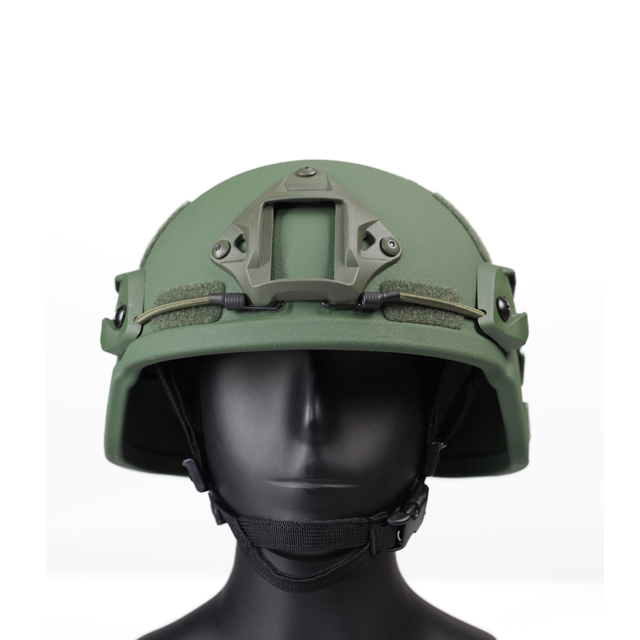
Peel removable pads slowly from their attachment points instead of pulling sharply from the center. Hand-wash approved soft parts with mild detergent and clean water, gently working out sweat and dirt without twisting or aggressive agitation. Chinstrap webbing and buckles can be wiped or hand-cleaned, but adjustment mechanisms should not be unnecessarily flooded. Washing machines and dryers may distort padding, stress stitching, or damage plastic fittings.
Condition matters as much as cleanliness. Replace pads that remain contaminated, feel permanently compressed, have hardened, or no longer recover their original shape. Frayed straps, loose stitching, cracked buckles, and adjustment systems that slip also require compatible replacement. Household foam, generic webbing, and improvised adhesives can change the fit and position of a Custom FAST Helmet and should not be used as substitutes.
Air-dry the shell and removable components in a shaded, well-ventilated area at room temperature. Keep them away from dryers, heaters, open flames, and prolonged direct sunlight. Never reinstall damp padding or seal a wet helmet inside a carrier. Trapped moisture can encourage odor, corrosion, and deterioration around attachment surfaces.
Once every component is fully dry, restore the intended pad layout and check that the retention system moves evenly. Fasteners should be secure without excessive tightening because too much torque may damage hardware, distort mounting points, or place stress on the shell. Put on the Custom FAST Helmet and confirm stable positioning, balanced pressure, clear vision, and correct accessory alignment. Cleaning is not complete until the helmet has passed a final fit check.
Inspect both the exterior and interior, concentrating on the crown, rim, edge trim, and mounting holes. Cracks, deep dents, bulges, warping, soft areas, blistering, exposed fibers, or unusual sounds during gentle handling require more attention than ordinary paint scuffs. Deep gouges may penetrate the protective coating, while separated edge trim can create a pathway for moisture to reach composite layers. Around mounting holes, look for elongation, fractures, distortion, or stress marks caused by loose or overtightened hardware.
A Custom FAST Helmet struck by a projectile or involved in a serious blunt impact should leave operational use until its condition has been properly evaluated. Ballistic shells absorb and distribute energy through material responses that may remain partly hidden beneath the exterior surface. Paint, filler, replacement padding, or other cosmetic work cannot reverse delamination, fiber damage, or permanent deformation.
Five-minute inspection checklist
● The shell retains its original shape without cracks, soft spots, exposed fibers, or deep dents.
● Edge trim remains continuous and securely attached.
● Mounting holes show no stretching, fractures, or distortion.
● Pads retain adequate thickness and rebound.
● Chinstrap stitching, buckles, and adjustment hardware work correctly.
● Rails and the front shroud hold compatible accessories firmly.
● Recent impacts, contamination, and component changes have been documented.
Check webbing, stitching, buckles, adjustment dials, and anchor points under controlled hand tension. After tightening, the Custom FAST Helmet should remain stable during normal head movement without slipping or creating severe pressure points. Rails and the front shroud must sit firmly, while bungees, hook-and-loop panels, cable guides, and counterweight attachments should show no cracks, corrosion, excessive wear, or looseness.
FAST helmet configurations may use aramid or PE shells together with four-point retention, dial adjustment, side rails, and a front NVG shroud. Reassess balance and fit whenever lights, communication equipment, cameras, counterweights, or night-vision devices are added or removed. A short wear test can reveal slipping, cable interference, uneven tightening, and new pressure points that may not be obvious during a visual inspection.
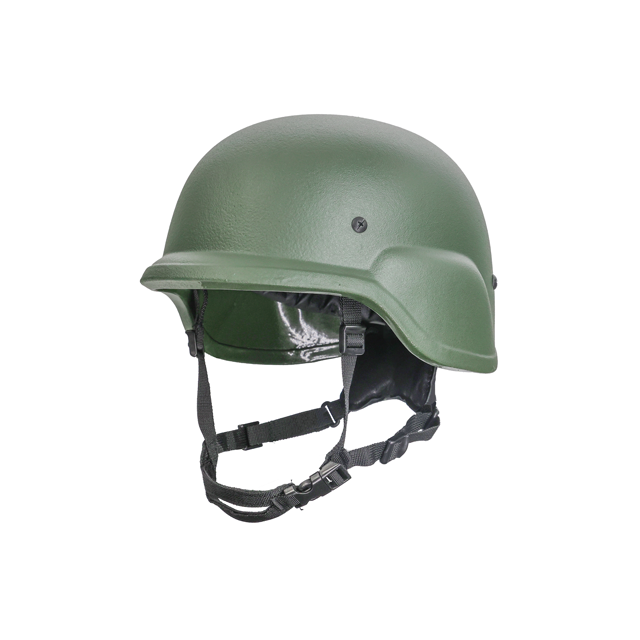
Select a cool, dry, well-ventilated location away from direct sunlight and major temperature swings. Vehicle trunks, rear shelves, heating equipment, damp basements, and chemical-storage areas create conditions that are difficult to control. Before closing a carrier, confirm that the shell, straps, pads, and hardware are completely dry. Moisture-control products may be useful in enclosed storage, but they should not leak or rest directly against helmet materials.
Rest the helmet where it cannot fall, be crushed, or carry the weight of other equipment. Avoid hanging it by the chinstrap for long periods because this places unnecessary load on the retention system. A Custom FAST Helmet should sit naturally without continuous pressure against the padding, rails, shroud, or installed accessories.
Remove batteries from electronic accessories during extended storage to reduce the risk of leakage and corrosion. Detach long, heavy, or fragile equipment when the carrier lacks adequate clearance, then use a padded helmet bag that limits movement without compressing the shell or padding. Do not pack hard accessories inside the helmet where they can press against the liner during transportation.
Keep fitted pads, covers, retention parts, rails, and hardware assigned to the correct Custom FAST Helmet. For team inventories, matching asset labels on the helmet, storage bag, and component set can prevent accidental swaps. This simple control protects the established fit and reduces the likelihood that incompatible replacement parts will enter service unnoticed.
Pads, straps, hardware, rails, shrouds, bungees, and attachment panels may be replaceable service parts, but the ballistic shell is not a field-repair project. Safe long-term maintenance depends on recognizing the difference. Replacement decisions should consider physical condition, environmental exposure, age, traceability, component compatibility, and the instructions provided for the specific helmet.
Replace flattened or hardened pads before they compromise fit, comfort, or impact management. Use compatible replacements for frayed straps, failed buckles, corroded fasteners, slipping adjusters, cracked rails, damaged bungees, and loose shrouds. After installing a new component, check screws, pad placement, buckles, adjustment range, and accessory stability before repeating the complete fitting procedure.
The shroud, rails, fit system, chinstrap, buckle, and adjustment mechanism should all be checked before use, with defects corrected before deployment. A new component does not resolve damage in the surrounding Custom FAST Helmet shell or mounting point. Examine the complete interface rather than focusing only on the part that was replaced.
Cleaning, paint, replacement padding, or tighter hardware cannot correct internal damage within a ballistic laminate. Structural deterioration should never be treated as a cosmetic defect. Remove the Custom FAST Helmet from service or arrange a qualified evaluation when any of the following conditions apply:
● It has sustained a projectile strike, fragmentation event, or serious blunt impact.
● Cracks, exposed fibers, delamination, soft spots, deep dents, or major deformation are present.
● Heat or chemical exposure may have altered the material or bonding system.
● Unauthorized drilling, reshaping, sanding, or structural repair has occurred.
● The specified service-life limit has been reached.
● Its age, source, storage conditions, or impact history cannot be verified.
● A qualified inspection cannot confirm continued suitability.
Do not apply a universal replacement age taken from an unrelated helmet model. Service limits depend on construction, operational history, storage conditions, maintenance quality, and organizational policy. A Custom FAST Helmet may appear clean and undamaged yet remain unsuitable when its origin or impact history is unknown.
Consistent maintenance begins with exposure-based cleaning, separate care for the shell and soft components, careful inspection, controlled storage, and clear service records. Replaceable pads, straps, rails, and hardware can restore fit or accessory stability, but they cannot make a damaged ballistic shell safe again. Shenzhen Loop Circle Technology Co.,Ltd supplies customizable ballistic helmet configurations and related protective equipment, helping users match retention, accessory, and material options to operational requirements. A well-maintained Custom FAST Helmet should remain secure, functional, and traceable; when impact history or structural condition is uncertain, professional evaluation or replacement remains the responsible decision.
A: Clean it after exposure to rain, mud, salt spray, heavy sweat, or dust. Under mild conditions, inspect it after use and clean it periodically.
A: Use lukewarm water, mild detergent, and a soft cloth or brush. Clean removable pads separately and avoid solvents, bleach, abrasive tools, and excessive heat.
A: Store it completely dry in a cool, ventilated location away from sunlight, chemicals, moisture, and temperature extremes. Use a padded carrier during storage and transport.
A: Remove it from service after a projectile strike or serious blunt impact. Hidden fiber damage or delamination may exist even when the outer shell appears intact.
A: Check the shell, edge trim, pads, chinstrap, buckles, fasteners, adjustment system, side rails, shroud, bungees, and accessory mounts for wear, looseness, or damage.
A: Compatible pads, straps, buckles, rails, and hardware may be replaced when worn. However, new components cannot restore a cracked, deformed, or structurally compromised shell.


