
Views: 0 Author: Site Editor Publish Time: 2025-11-05 Origin: Site


A helmet cover looks like a “small accessory,” but it plays an extremely important role in the modern tactical equipment system: from early camouflage covers to today’s modular, functional tactical overlays, helmet covers serve camouflage and identification purposes and have become practical components for mounting accessories, managing cables, and protecting the helmet surface. This article is written for tactical gear and ballistic equipment websites and provides an in-depth explanation of the origin and evolution of helmet covers, materials and construction, main functions, tactical significance, typical application scenarios, maintenance and service life.
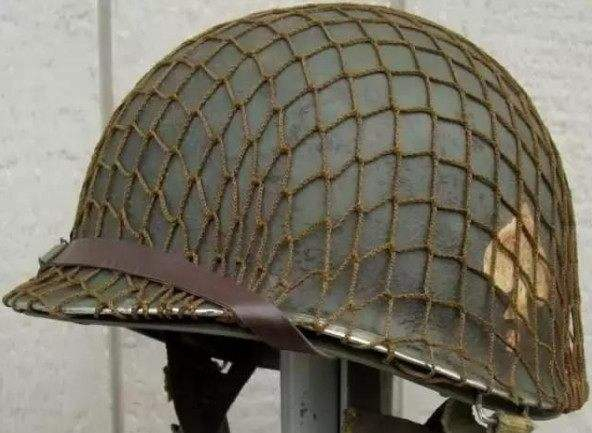
The history of helmet covers is not complicated, but it is closely related to soldiers’ battlefield needs. Their origin can be traced back to the World War I and World War II periods when armies fitted cloth onto steel helmets for the following purposes:
Reduce metal glare to avoid detection by enemy fire or observation;
Increase camouflage so the single-color steel helmet matches surrounding terrain;
Protect paint and extend service life.
Early helmet covers were usually simple cotton or burlap sewn into hoods or net covers, and improvised camouflage using branches and netting was common. During the Cold War and later small conflicts, as camouflage systems and textile technology improved, helmet covers began to adopt standard camouflage patterns (woodland, desert, jungle) and were gradually issued as part of unit kits.
The real acceleration in evolution occurred under the push of modern warfare and special operations requirements: night vision, concealment, modular accessories and communications cable management turned helmet covers from mere concealment into tactical carriers.
Simple camouflage covers (cloth) — cosmetic and concealment functions. Early standardized covers emphasized color and pattern.
Net covers and foliage bands — quick field camouflage. Insert foliage or strips for disruptive shapes in woodland or open terrain.
Elastic/ballistic-compatible covers — compatible with ballistic helmets. As ballistic helmets spread, covers needed to conform to Kevlar/UHMWPE shells without interfering with protective performance.
Tactical covers with integrated mounting points — modular accessory carriage. Modern covers include attachment straps, Velcro panels, laser-cut or MOLLE-style holes for securing ID patches, NVG cables, lights and comm wiring.
Low-visibility / thermal-signature management covers (NIR/IR-compatible) — materials processed to reduce near-infrared or thermal detectability, helping units remain less visible to night optics and drones.
Dedicated functional covers (quick-release / NVG pouch / marker pouch) — designs with NVG pockets, counterweight pockets or marker/light pouches.
Customization & mission specialization (e.g., FAST / OPS-CORE specific covers) — manufacturers produce covers tailored to the exact shape, rails and interfaces of specific helmets.
Common materials and manufacturing methods for modern helmet covers include:
Cotton / canvas: early types — breathable but not very abrasion-resistant; suitable for low-cost training and exercises.
Cordura (nylon 500D / 1000D): abrasion and tear resistant; widely used for tactical-grade covers that balance strength and weight.
Quick-dry / antimicrobial fabrics (polyester blends): reduce sweat retention and suit long-duration wear.
Elastic fiber blends (with Lycra / stretch mesh): ensure tight fit, minimize flapping and reduce noise.
Laser-cut panels or 3D mesh (perforated): lightweight and suitable for low-profile MOLLE attachment.
Special coatings (NIR/IR anti-reflective, flame retardant, anti-static): reduce infrared signature or meet safety requirements.
In manufacturing, high-quality helmet covers use fine stitching, heat-pressed trim, hidden seams and reinforced stitch points (especially at ear cutouts, NVG attachment points and helmet edges) to extend life and avoid slippage or detachment during critical operations.
Camouflage — color/pattern matched to mission environment (urban/woodland/desert/snow/multi-terrain), break-up designs to reduce head silhouette recognition, and ability to insert foliage or light vegetation.
Surface protection — prevent scratches, mud, abrasion and paint loss; extend helmet service life and make cleaning easier in long deployments or maritime environments.
Accessory carriage & cable management — Velcro panels for unit patches and IR markers; cable routing and straps for headsets/comm/NVG cables to avoid snagging.
NVG & mounting compatibility — NVG-compatible covers leave pockets or openings for night-vision gear, allowing placement/removal without displacing the cover.
Reduce infrared / thermal signature — NIR-compatible fabrics and coatings reduce contrast under night vision or UAV observation.
Tactical identification & recognition — front/rear/side Velcro zones for ID strips, reducing friendly fire risk and aiding formation control.
Comfort & noise reduction — soft liners and appropriate elasticity reduce friction noise during movement, aiding stealth operations.
Quick-release & maintenance access — some covers are designed for fast removal for washing, inspection, or to expose the helmet in medical emergencies.
Improve concealment & survival: Camouflage reduces detection probability by optical and infrared systems; a conspicuous helmet can reveal a squad’s position.
Reduce critical errors & fratricide risk: Standardized markers and reflective control improve night identification, lower friendly-fire incidents.
Modularity & multipurpose support: Covers allow one helmet to be adapted to many mission profiles (escort, breaching, night ops, maritime), saving procurement cost and increasing readiness flexibility.
Preserve protective integrity: Protecting the shell avoids scratches and aging that might degrade structural performance — a lifecycle cost saving.
Psychological & organizational effects: Uniform professional appearance increases morale and simplifies command and public-facing tasks.
Special operations / counter-terrorism (CQB): low-profile elastic covers with NVG pocket, Velcro ID panels and cable management; dark single colors for night ops.
Patrol & convoy (urban/suburban): Cordura durable covers, easy to clean, optional visible ID strips for day/night.
Maritime / island operations: salt-resistant, mildew-resistant materials and sealed designs to reduce seawater ingress.
Desert / open terrain: sand colors or multi-terrain camo and heat-reducing thin layers to slow surface temperature buildup.
Training & exercises: low-cost cotton/quick-dry variants for ease of replacement and training markings.
Helmet model compatibility: products should always state compatible helmet models (e.g., PASGT, MICH/ACH, FAST/OPS-CORE, Team Wendy) and provide max/min circumference and cutout positions.
Suggested installation steps:
Slide the cover on from rear to front, align rear edge and ear cutouts;
Tighten elastic edges and secure Velcro;
Open cable channels before installing NVG/light and route cables neatly;
Perform a static motion check (turn head left/right, nod and look up) to ensure no slippage.
Do not add hard items that create pressure points or change impact load paths — these can alter the helmet’s shock distribution and affect ballistic/performance (especially rear-surge behavior).
Most tactical covers are machine-washable (gentle cycle ≤30°C) or hand-washable; avoid high-temperature drying that may shrink or damage coatings; promptly clean salt/oil contamination with neutral detergent and fully air-dry.
For NIR/IR or flame-retardant coatings, follow manufacturer guidance and avoid strong solvents.
Regularly inspect Velcro, seams and reinforcement patches — these are wear parts and should be repaired or replaced.
Replacement cycle: heavy operational use or severe contamination — replace every 12–24 months; training/display use may be extended as appropriate.
Q: Will a helmet cover affect ballistic performance?
A: A qualified helmet cover will not reduce protective performance. Poor modifications (attaching hard items or changing shell shape) may affect impact response; always ensure covers remain free of hard protrusions and fit closely to the shell.
Q: How do helmet covers work with NVG?
A: Choose covers with NVG pockets or pre-cut mounting positions and route cabling before attaching night vision equipment; do not introduce extra resistance or uneven loads at the mount point.
Q: Should all units use NIR-coated covers?
A: Not necessarily. NIR coatings are most useful in night operations or environments with high infrared observation risk. In daytime urban ops, standard camouflage/durable covers may be sufficient.
Helmet covers are a low-cost, high-return tactical consumable: they enhance concealment, comfort and modularity without changing the helmet’s protective rating. As a site operator or buyer, make your product pages “scenario-driven + spec-transparent + easy-to-select + certifiable.” Prominent CTAs for “compatibility” and “sample request” and form fields for “helmet model / mission / customization” will substantially increase inquiry quality and shorten closing cycles.
If you are looking for high-quality Tactical Helmet Cover, ballistic helmet, Bulletproof-Shield, ballistic plate, ballistic vest, or other tactical accessories, contact us today. We provide professional-grade solutions, competitive pricing, and fast delivery to build a reliable tactical system for your needs.
Click here to view more Loop circle equipment


