
Views: 0 Author: Site Editor Publish Time: 2026-06-01 Origin: Site


Short Introduction
In the tactical helmet market, PE tactical helmets have become increasingly popular in recent years. Whether for military, law enforcement, security, training, or outdoor high-mobility missions, more and more users are paying attention to a common need: lighter weight, greater comfort, and better suitability for long-term wear.
PE material (usually referring to ultra-high molecular weight polyethylene, UHMWPE) tactical helmets are an important product type that achieves a balance between lightweight design and protection performance. They not only meet basic protection needs, but also deliver outstanding performance in wearing comfort, mobility, and moisture resistance, which is why they remain highly popular in the tactical gear market in 2026.
This article systematically analyzes the characteristics of PE tactical helmets, their differences from other materials, practical impacts, tactical significance, application scenarios, and procurement selection advice, helping you better understand why PE tactical helmets are popular and how to choose the right product.
A PE tactical helmet usually refers to a tactical protective helmet made primarily from ultra-high molecular weight polyethylene (UHMWPE).
After special processing, this material has very high impact resistance, energy absorption, and lightweight characteristics, which is why it is widely used in modern protective equipment.
Compared with traditional helmets, the biggest features of PE helmets are:
Lighter weight
More comfortable wear
Greater mobility
More suitable for long-duration missions
Better aligned with the modern lightweight trend
It is not just “light,” but rather combines protection, comfort, and practicality into a head protection solution better suited to modern mission environments.

This is the most direct and also the most popular advantage of PE tactical helmets.
Helmet weight has a major impact on tactical missions, especially during long-term wear. The lighter the weight, the less pressure is placed on the head and neck.
The practical benefits of lightweight design include:
Reduced neck burden
Less fatigue during long-term wear
Improved movement speed
Better overall mission experience
For patrol, training, security, and high-frequency mobility missions, lightweight design is almost a necessity.
Tactical helmets are not decorative items for short-term use; they may need to be worn continuously for several hours or even longer.
Because PE helmets are lighter and combined with proper padding and suspension systems, they usually offer better wearing comfort.
This is especially important in the following scenarios:
Long patrols
Guard duty
Training exercises
Hot environments
Frequent vehicle entry/exit or movement tasks
With improved comfort, users are more willing to keep wearing the helmet, allowing the equipment to truly perform its role.
One of the core principles of tactical gear is: protection should not come at the cost of too much mobility.
Because PE helmets are relatively lightweight, they are more suitable for missions requiring rapid response, frequent movement, and high-intensity action.
For example:
Rapid entry operations
Urban patrol
Security deployment
Emergency response
Outdoor high-mobility operations
In these scenarios, lightweight helmets are often more popular than heavy-duty helmets.
Modern tactical gear increasingly emphasizes:
Lightweight design
Modularity
Long-term wearing comfort
Compatibility with communication and night vision equipment
PE helmets are an important product that follows this trend.
They do not simply pursue “maximum protection,” but instead seek a balance between protection, comfort, functionality, and efficiency.
For many users, tactical helmets are not for one-time use, but for long-term equipment.
PE material usually performs well in long-term use scenarios. Especially when helmets need to be worn, transported, and assigned repeatedly, their lightweight nature and overall durability are more likely to receive positive feedback.
Aramid helmets are also a common type of tactical helmet and offer good protection performance and stability.
Compared with aramid, PE helmets are usually lighter and more comfortable, making them better for users who prioritize lightweight design.
Key differences:
PE: lighter, more comfortable, better for long-term missions
Aramid: stable protection, suitable for specific mission needs
Composite helmets usually combine the characteristics of multiple materials to achieve a balance between protection and weight.
PE helmets emphasize lightweight performance more strongly and have an advantage in tasks where reducing head burden is important.
Key differences:
PE: outstanding lightweight performance
Composite materials: more balanced overall performance
Traditional heavy helmets usually emphasize thickness and coverage, but they can easily increase fatigue during long-term wear.
PE helmets better meet the modern tactical demand for “light, protective, and fast.”
Key differences:
Heavy helmets: heavier, more physically demanding during long wear
PE helmets: lighter, better for rapid movement

The heavier the helmet, the more fatigue the wearer is likely to feel.
By reducing head burden, PE helmets help users maintain a high level of performance for longer periods.
Lightweight gear means less physical energy consumption and faster reaction time.
In complex environments, this efficiency improvement is extremely important.
Wearing a helmet for long periods places pressure on the neck, shoulders, and head.
The lightweight advantage of PE helmets can significantly relieve this burden.
Modern tactical gear increasingly emphasizes “system integration,” and PE helmets are easier to coordinate with:
Communication devices
Night vision mounts
Headsets
Goggles
Tactical lights
forming a good match.
Law enforcement patrols usually require long-term wear while maintaining comfort and mobility.
PE helmets are very popular in this type of scenario.
Security personnel often need to move frequently, patrol, and stand guard, making lightweight helmets better suited for such high-frequency tasks.
Training scenarios involve long wearing periods and frequent movement, so comfort and lightweight performance are important.
In rescue scenarios, users need to move quickly, work for extended periods, and often use communication devices. The advantages of PE helmets are especially obvious.
In outdoor, field, or mixed environments, lightweight helmets help improve mobility and endurance.

In practical applications, choosing a supplier that can provide professional sizing guidance and customization services is equally important to ensure that tactical gear performs as intended.
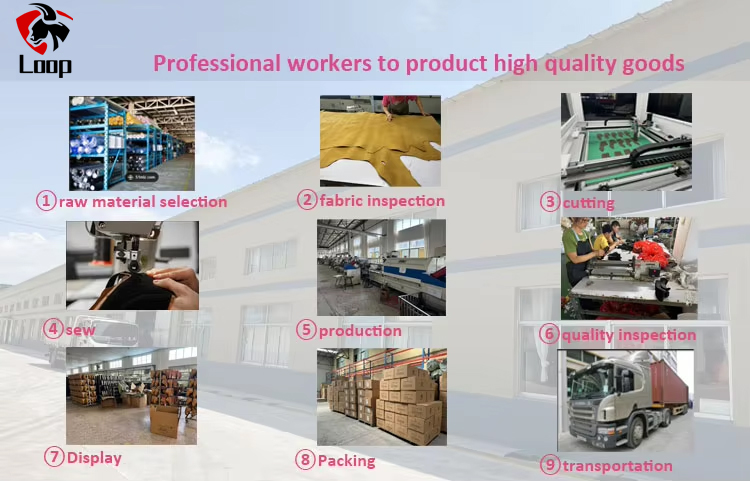
Compared to suppliers that only offer standardized products, we focus on real-world usage scenarios and mission requirements, providing precise sizing recommendations and system-based configuration solutions to achieve an optimal balance between protection, stability, and comfort.
By partnering with Loop, clients benefit from fast pre-production samples and customized based on samples, a stable and efficient rapid delivery system, competitive pricing advantages, and timely access to trending industry product insights—enhancing overall procurement efficiency and market competitiveness.
At the same time, through multi-dimensional customization and support for bulk procurement, we help clients reduce trial-and-error costs, minimize procurement risks, and ensure efficient compatibility among different types of equipment.
Ultimately, what clients receive is not just individual products, but a complete equipment solution that truly fits operational needs and enhances overall mission performance.
Click here to contact us for Tactical Gear customized services.
PE tactical helmets are popular not only because they are “light,” but because they meet the most practical needs of modern customers:
Lighter weight, reducing fatigue
More comfortable, suitable for long-term wear
Better for high-mobility missions
More in line with the lightweight development trend
Easier to pair with modern tactical accessories
For procurement teams, a helmet is not just “protective gear,” but an important piece of equipment that affects mission performance.
The reason PE material remains popular is that it upgrades protective gear from “can protect” to “can be used for long periods and used efficiently.”
Different missions have different protection requirements. Before choosing, clarify:
The mission type
The threat environment
Whether long-term wear is required
Although PE helmets are already relatively light, there are still differences between products in weight, balance, and fit.
Helmet comfort depends not only on the material, but also on:
Padding design
Suspension structure
Adjustment method
Head fit
If night vision devices, headsets, goggles, or communication accessories are needed, the helmet’s compatibility is very important.
Helmet surface treatment affects:
Abrasion resistance
Appearance texture
Low-reflection performance
Service life
For unit procurement or brand projects, PE helmets that support color, logo, coating, and accessory customization are more valuable.
Because the supplier determines not only product quality, but also affects:
Material stability
Workmanship consistency
Delivery time
Customization capability
Future cooperation experience
For distributors, security companies, project procurement, and overseas customers, a stable supplier helps reduce procurement risks and improve future promotion efficiency.

Many customers think the lighter the helmet, the better. In reality, a truly good helmet is one that achieves a balance between protection, comfort, mobility, and mission fit.
The advantages of PE material are very obvious, but whether it suits you still depends on the specific application scenario and mission needs.
PE tactical helmets have become increasingly popular because they offer an excellent balance of protection, lightweight performance, and wearing comfort. Made from ultra-high-molecular-weight polyethylene (UHMWPE), these helmets provide strong ballistic resistance while significantly reducing weight compared to many traditional helmet materials.
Their lighter design helps reduce fatigue during extended operations, improves mobility, and enhances overall user comfort, making them a preferred choice for military personnel, law enforcement officers, and security professionals who require reliable protection without sacrificing operational effectiveness.
If you are looking for high-quality ballistic vest, ballistic helmet, ballistic plate, Bulletproof Shield, Combat Uniforms, or other tactical accessories, contact us today. We provide professional-grade solutions, competitive pricing, and fast delivery to build a reliable tactical system for your needs.
Click here to contact us for Tactical Gear customized services


