
Views: 0 Author: Site Editor Publish Time: 2026-01-21 Origin: Site


A tactical hydration pack may look like just a “bladder in a bag,” but for frontline operators, patrol teams, security and outdoor professionals it is a key item for sustaining mobility and endurance. A well-designed tactical hydration pack not only provides water, it integrates load, interfaces with other gear, optimizes heat management and shortens resupply time — directly improving mission endurance and decision-making.
Continuous on-body hydration: built-in reservoirs (commonly 1–3L) and drinking tubes let operators drink without removing packs.
Load and gear integration: hydration packs usually include main compartments and pockets for magazines, medkits, radios or tools, acting as a lightweight assault pack.
Reduce heat stress and sustain performance: proper hydration helps prevent heat injury, fatigue and cognitive decline, especially in hot or load-bearing marches.
Fast resupply at nodes: reservoir design supports rapid refilling from vehicles or base water points, minimizing downtime.
Low profile and ergonomics: slim designs and stabilizing straps reduce bounce and grab points.
Thermal control and survival carry: some packs include insulation, quick-dry fabrics or survival pockets for extended missions.
Extend mission radius: carrying water allows squads to operate farther from resupply points.
Preserve marksmanship & judgement: dehydration impairs cognition and shooting steadiness; hydration reduces these risks.
Support casualty care: rapid access to fluids can be critical in medical response for the wounded or dehydrated team members.
Reduce logistics burden: reusable bladders and quick-change procedures simplify vehicle and base resupply planning.
Enable low-visibility patrols: compared with visible water bottles, hydration bladders keep a lower profile and reduce exposure.
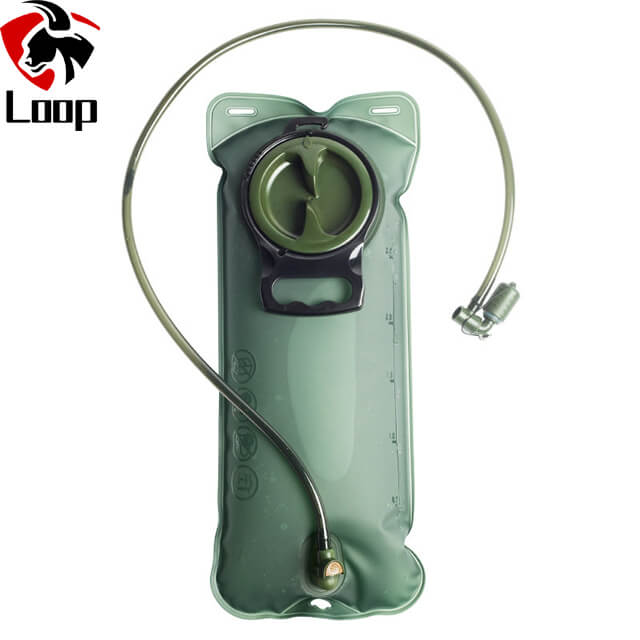
Lightweight running/assault packs (1–1.5L): low profile, minimal bounce — suitable for short incursions and fast assault.
Standard patrol packs (1.5–3L): more compartments and hip/chest stabilization — ideal for routine patrols and duty.
Long-range / expedition packs (2–3L + main compartment): larger capacity, stronger suspension and more storage for extended missions.
Medical / casualty-oriented packs: integrated med modules or removable bladders for casualty rehydration and first aid.
Insulated / cold-weather packs: thermal layers or insulated sleeves to prevent freezing.
Low-profile / covert packs: subdued appearance for plainclothes or protective detail use.
Start by asking: how long is the mission? what other gear must the pack carry? what terrain and weather will you face?
Pick capacity: short urban tasks 1–1.5L; half-day patrols 1.5–2.5L; long marches or hot climates ≥2.5L.
Check suspension & stabilization: shoulder straps, sternum strap and waist belt adjustment and the presence of a ventilated back panel.
Refill interface: reservoir filling port size and compatibility with vehicle or bulk water points; fast-release valves for quick swaps.
Drinking valve quality: one-handed operation, dust cap, freeze resistance and crush tolerance improve field reliability.
Materials & durability: 500D/1000D Cordura or ballistic nylon with PU/TPU liner; reinforced seams and welded joints for long-term use.
Thermal features: insulated sleeves for cold climates; breathable back panels for hot-weather comfort.
Hygiene & antimicrobials: washable or antimicrobial-treated reservoirs reduce bacterial growth for frequent use.
Modularity & compatibility: MOLLE attachment options, and ability to integrate with vehicle or chest rigs.
Weight vs volume trade-off: minimize empty weight while retaining structural strength when loaded.
Spare-parts availability: extra valves, replacement reservoirs and repair kits are valuable for institutional buyers.
Urban patrol / short duty: lightweight assault pack (1–1.5L), low profile and vehicle-friendly.
Daily patrol / routine duty: 1.5–2.5L patrol pack with chest/waist stabilizers and small-organizer pockets.
Special operations / assault: ultra low-profile pack, single-handed valve, and quick-disconnect reservoir.
Long-range patrol / hot climates: ≥2.5L with insulation, robust suspension and good load distribution.
Peacekeeping / escort: covert appearance with optional med module for casualty rehydration and first aid.
Marine / ship operations: salt-resistant hardware, quick-drain ports and corrosion-resistant valves.
Empty and air-dry after each use: rinse reservoir, open the fill port and hang to dry to prevent bacteria.
Periodic disinfection: use food-safe cleaning agents or dilute bleach per manufacturer guidance and rinse thoroughly.
Avoid long-term water storage: standing water increases contamination and odors; refill as needed.
Check valves and seams: replace aged mouthpieces and inspect welded seams for wear.
Winter care: use insulated sleeves and prevent valve freeze (follow safe procedures—do not add chemicals without confirmation).
Replacement interval: for high-frequency users replace reservoirs every 6–12 months depending on care and material.
Q: Will a hydration pack destabilize my load?
A: Quality tactical hydration packs use structured back panels, chest and waist straps and stabilizers. When properly adjusted, they are highly stable and often more stable than carrying bottles.
Q: Do reservoirs breed bacteria?
A: If not cleaned and dried after use, reservoirs can develop bacterial growth. Routine cleaning, drying and periodic disinfection prevent this problem.
Q: How much capacity does an individual need?
A: Short missions (1–3 hours) typically need 1–1.5L; routine patrols 1.5–2.5L; high heat or long marches ≥2.5L. Adjust to mission intensity and climate.
A tactical hydration pack gives you a convenient, hands-free way to carry and drink water during long, physically demanding missions or activities. By keeping a reservoir and drinking tube easily accessible, it helps maintain hydration without stopping, which supports endurance, focus, and overall performance in the field. Many tactical hydration packs are built tough for rugged conditions and integrate with other gear systems so you can carry water efficiently alongside essential equipment.
If you are looking for high-quality tactical accessories, Bulletproof Shield, ballistic plate, ballistic vest, or other ballistic helmet, contact us today. We provide professional-grade solutions, competitive pricing, and fast delivery to build a reliable tactical system for your needs.
Click here to view more Loop circle equipment


