
Views: 0 Author: Site Editor Publish Time: 2026-08-13 Origin: Site


Ounces equal pounds, and pounds equal fatigue. In tactical environments, armor weight dictates mobility, endurance, and survivability. Standard Level 4 plates provide maximum protection against armor-piercing (AP) rounds but add 14 to 16 pounds to a plate carrier. This burden degrades physical performance, increases thermal load, and restricts range of motion compared to lighter systems. When a duty shift extends into double digits or a patrol covers rugged terrain, that extra weight becomes an operational liability. Advanced materials now allow for the lightest level 4 plates on the market. Moving away from traditional heavy materials lets operators maintain maximum threat protection without sacrificing agility. We will evaluate how to select ultralight armor without compromising NIJ-certified ballistic integrity, multi-hit capabilities, or operational budgets.
Weight Benchmarks: Standard Level 4 plates weigh 8–10 lbs each; the lightest level 4 body armor reduces this to 5–6.5 lbs per plate through advanced material science.
The Level III vs. Level IV Reality: A standard Level 4 setup adds roughly 14–16 lbs to the torso, whereas a Level III setup adds only 8–12 lbs. Ultralight Level 4 plates bridge this gap, offering AP protection at Level III weights.
The Cost-to-Weight Curve: Shedding weight at Level 4 protection is exponentially expensive. Moving from Alumina to Boron Carbide significantly increases the price per plate.
Ergonomics Matter: Multi curve armor plates distribute weight more effectively across the torso, making a slightly heavier plate feel lighter and more maneuverable than a lighter single-curve plate.
Durability Trade-offs: Ultralight ceramic armor plates require stricter handling protocols due to the inherent fragility of advanced strike faces when subjected to blunt force or drops.
Defining lightweight armor requires understanding the specific ballistic threats these plates defeat. Level 4 protection represents the highest rating under the current NIJ 0101.06 standard. It requires the armor to stop a .30-06 Springfield M2 Armor Piercing (AP) projectile traveling at 2,880 feet per second. This is a massive step up in kinetic energy and penetrative capability compared to Level III armor, which only stops standard 7.62x51mm NATO lead-core rifle rounds. Achieving this AP-stopping power historically required thick, dense materials, making the resulting armor cumbersome.
The weight spectrum for level 4 ballistic plates is broad and directly correlates with the materials used in manufacturing. Budget-friendly options rely on older material formulations and weigh between 8 and 10 pounds per plate. Mid-tier options optimize these materials to bring the weight down to roughly 7 to 8 pounds. The true ultralight category pushes the boundaries of modern engineering, driving the weight down to sub-6.5 pounds per plate.
Armor Tier | Primary Ceramic Material | Average Weight (Per Plate) | Total Torso Load (2 Plates) |
|---|---|---|---|
Standard Level 4 | Alumina Oxide (Al2O3) | 8.0 - 10.0 lbs | 16.0 - 20.0 lbs |
Mid-Tier Level 4 | Silicon Carbide (SiC) | 7.0 - 8.0 lbs | 14.0 - 16.0 lbs |
Ultralight Level 4 | Boron Carbide (B4C) | 5.0 - 6.5 lbs | 10.0 - 13.0 lbs |
When you calculate the total loadout weight, the difference becomes stark. A standard two-plate setup adds 16 to 20 pounds of dead weight directly to your torso. In contrast, utilizing ultralight level 4 plates drops that total torso burden to just 10 to 13 pounds. This weight reduction brings the mass of a Level 4 setup down to the historical weight range of a Level III setup. You get armor-piercing protection without the traditional weight penalty.
Carrying excessive weight on the torso exacts a severe biomechanical toll on the human body over time. The human spine is not designed to bear an additional 20 pounds of rigid mass suspended from the shoulders. When you add 20 pounds of rigid mass to your upper body, your center of gravity shifts upward. This shift forces your lower back muscles to work continuously to maintain balance, especially when navigating uneven terrain or moving through urban rubble. Over a full duty shift or an extended dismounted patrol, this weight compresses spinal discs, strains the lower back musculature, and accelerates fatigue in the knee and ankle joints.
The thermal burden also increases significantly. Heavy, dense armor acts as an insulator. In high-temperature environments, this trapped heat accelerates dehydration and core temperature elevation, leading to heat exhaustion long before muscular fatigue sets in. By cutting the armor weight in half, you drastically reduce your water consumption requirements and extend your operational endurance. Operators wearing lighter armor experience faster target acquisition times because there is less rotational inertia fighting against their torso movements. Sustained sprint speeds improve, and the metabolic cost of movement drops. When you expend less energy simply carrying your gear, you retain more cognitive clarity and physical stamina for critical decision-making under stress.
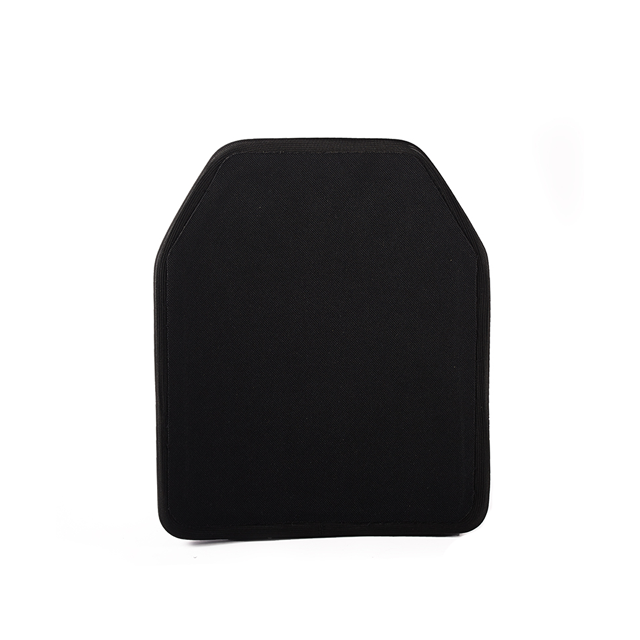
The secret to stopping an armor-piercing round without weighing down the operator lies in advanced ceramics. Unlike steel plates, which attempt to absorb and deflect a bullet's energy through sheer density, ceramic armor plates destroy the incoming projectile. When an AP round strikes a ceramic face, the extreme hardness of the ceramic blunts and shatters the steel core of the bullet. The ceramic itself fractures in the process, absorbing massive amounts of kinetic energy.
Not all ceramics are created equal. The specific compound used dictates the weight, thickness, and performance of the plate. The industry relies on a hierarchy of three primary ceramic materials. Alumina Oxide (Al2O3) is the baseline material for most standard armor. It is highly effective at stopping AP threats, relatively easy to manufacture, and highly durable against everyday drops and rough handling. However, it is the densest and heaviest option available.
Silicon Carbide (SiC) serves as the optimal middle ground. It offers a 15 to 20 percent weight reduction over Alumina Oxide. It provides excellent hardness and is the go-to material for mid-tier to high-end plates where weight savings matter but budgets are still a consideration. Boron Carbide (B4C) is the premium standard used to manufacture the absolute lightest plates on the market. Boron Carbide is incredibly hard—ranking just below diamonds on the Mohs scale—and exceptionally lightweight. The trade-off is that it is notoriously difficult and expensive to produce.
A ceramic strike face cannot work alone. Once the ceramic shatters the bullet, the resulting fragments and ceramic debris must be caught before they penetrate the wearer's body. This is where Ultra-High-Molecular-Weight Polyethylene (UHMWPE) comes into play. UHMWPE is currently the lightest ballistic material available. Manufacturers press it into dense, rigid layers and bond it directly behind the ceramic strike face.
The manufacturing process for these advanced plates is incredibly precise. To bond the UHMWPE to the ceramic, manufacturers use industrial autoclaves that apply immense heat and pressure over several hours. This process ensures there are no air bubbles or weak points between the layers. If the bonding is flawed, the plate can suffer from delamination, where the layers separate, severely degrading its ballistic performance. This is why the lightest plates command a premium; the margin for error in their production is virtually zero.
When the shattered bullet fragments hit the UHMWPE backing, the material catches them through plastic deformation. It stretches and melts slightly to absorb the remaining kinetic energy. Pure UHMWPE cannot stop AP rounds on its own. The steel core of an AP round would punch cleanly through it. It must be paired with a hard ceramic strike face to achieve a Level 4 rating.
A common misconception is that ceramic plates shatter completely and become useless after a single bullet strike. While the NIJ Level IV standard strictly requires the plate to stop only one .30-06 AP round, modern manufacturing techniques have vastly improved multi-hit performance. Advanced plates utilize mosaic or tiled ceramic arrays rather than a single monolithic piece of ceramic.
When a bullet strikes a tiled array, the damage is localized to the specific tiles impacted. The surrounding tiles remain intact and fully capable of stopping subsequent rounds. This localization allows high-quality lightweight plates to reliably stop multiple lesser threats, such as 5.56mm M855A1 or M193 rounds. You get sustained protection in high-volume threat environments.
Selecting the right armor requires balancing raw weight against operational requirements, ergonomics, and budget constraints. A plate that looks perfect on a specification sheet might perform poorly in the field if it does not fit your body or your plate carrier correctly. You must evaluate these plates through a practical, field-oriented lens.
The relationship between weight reduction and cost in body armor is not linear; it is exponential. As you move below the 7-pound threshold, every single ounce saved results in a steep increase in manufacturing costs. Transitioning from Silicon Carbide to Boron Carbide to shave off a final half-pound requires a significant capital investment.
When evaluating the market, establish realistic benchmarks for value. A mid-to-high tier setup utilizing Silicon Carbide typically represents the sweet spot for most professionals. These lightweight level 4 plates offer exceptional performance without reaching the extreme premium of pure Boron Carbide. You must evaluate your actual mission requirements to justify the return on investment. A dismounted infantryman patrolling on foot for miles will benefit immensely from ultralight plates. A vehicle-borne operator might prioritize budget and durability over extreme weight savings.
Another critical factor when evaluating lightweight plates is verifying edge-to-edge protection. Some manufacturers artificially reduce the weight of their plates by using a smaller ceramic core surrounded by a non-ballistic foam border. While this makes the plate lighter on the scale, it leaves the outer edges of your torso completely unprotected against rifle threats. Always confirm with the manufacturer that the ceramic strike face extends fully to the edges of the plate.
The geometry of your armor dictates how that weight feels on your body. Single-curve plates feature a simple, uniform bend. While cheaper to produce, they do not conform to the complex shape of the human torso. This creates pressure points on the sternum and clavicles, causing the plate to shift and chafe during dynamic movement.
Upgrading to multi curve armor plates provides a massive ergonomic advantage. These plates feature compound curves that hug the ribcage and sit flush against the torso. This superior fit distributes the weight of the armor evenly across a larger surface area. Proper weight distribution mitigates the perceived weight of the loadout. A slightly heavier multi-curve plate will often feel lighter and more maneuverable than a lighter single-curve plate.
Weight is only one dimension of bulk; thickness is equally critical. lightweight level iv rifle plates generally range from 0.7 inches to 1.1 inches in thickness. Thicker plates, while often lighter due to increased UHMWPE backing, can create integration issues with your gear.
A plate exceeding 1 inch in thickness can interfere with shouldering a rifle. It pushes the buttstock out of the optimal pocket in your shoulder and degrades recoil management. Furthermore, overly thick plates may not fit inside the plate bags of standard, low-profile carriers. Always verify the maximum thickness tolerance of your specific plate carrier before committing to a set of armor.
Never compromise on verified ballistic testing. There is a critical difference between a plate being "Tested to" and "Certified to" NIJ standards. "Tested to" simply means the manufacturer sent a plate to a lab and it stopped a bullet on that specific day. "Certified to" means the plate has undergone rigorous, standardized environmental conditioning, including drop tests, thermal cycling, and submersion. It is also subject to ongoing follow-up inspections by the National Institute of Justice.
Be aware of the upcoming NIJ 0101.07 standard. This new standard introduces the RF3 classification, which will replace the current Level IV designation. While current Level 4 inventory remains highly effective and relevant, understanding the shift to RF3 helps you evaluate the long-term viability of your armor investment.
Pushing the boundaries of material science introduces inherent trade-offs. Ultralight armor systems prioritize ballistic performance and weight reduction above all else. This focus can compromise secondary characteristics like blunt force durability and backface deformation.
The primary drawback of Boron Carbide and other advanced ceramics is their relative fragility compared to heavier Alumina or steel alternatives. While these materials are incredibly hard, they are also brittle. Dropping a Boron Carbide plate on concrete or subjecting it to severe blunt impact can cause micro-fractures in the ceramic strike face. These unseen fractures compromise the plate's ability to shatter an incoming AP round, potentially leading to a catastrophic failure.
Mitigating this risk requires strict handling protocols. Store your armor flat or in dedicated racks. Avoid tossing your plate carrier into the back of a vehicle, and utilize carriers with built-in padding. If your agency has access to X-ray equipment, schedule regular inspections of your lightest level 4 body armor to ensure the internal ceramic structure remains uncompromised.
When a bullet strikes armor, the kinetic energy must go somewhere. The plate bulges inward toward the wearer's body, a phenomenon known as Backface Signature (BFS) or backface deformation. The NIJ allows for up to 44mm of deformation. Lighter plates achieve their weight savings by utilizing thinner layers of UHMWPE backing. Consequently, they often exhibit greater backface deformation than heavier, thicker plates.
While the plate will stop the bullet from penetrating, the blunt force trauma transferred to your ribs and internal organs can still be severe. To mitigate this, many operators pair ultralight plates with supplemental non-ballistic trauma pads. However, adding trauma pads introduces additional thickness and adds back some of the weight you paid a premium to eliminate. You must balance the need for blunt trauma mitigation against your desired weight savings.
The physical shape of the plate heavily influences both weight and mobility. Manufacturers offer various cut profiles to suit different tactical needs. The SAPI cut is the standard military profile. It offers excellent coverage for the upper vitals but features milder corner cuts, which can slightly restrict arm movement in tight spaces.
The Shooter's cut features more aggressive angles at the top corners. This cut shaves off ounces and significantly improves arm mobility and rifle shouldering. It is ideal for dynamic entries and close-quarters environments. The Swimmer's cut is the most aggressive cut available, removing substantial material from the upper thoracic area. It provides maximum mobility for the shoulders and arms but sacrifices a noticeable amount of ballistic coverage over the upper lungs and clavicle.
Wearing a plate that is too large will impede your ability to punch out a handgun or cross your arms, and it will dig into your thighs when sitting or kneeling. Conversely, a plate that is too small leaves your heart and lungs exposed. The goal is to cover the vital thoracic cavity—nothing more, nothing less. Choosing an aggressive 10x12 Shooter's cut is a highly effective way to reduce weight without changing materials, provided you are comfortable with the slight reduction in upper thoracic coverage.
The quality of your armor is entirely dependent on the integrity of the manufacturer. Advanced ceramics and UHMWPE require precise temperature controls, exact pressure application, and flawless bonding agents to function correctly. A failure in the manufacturing process can result in delamination or structural weaknesses that only reveal themselves upon bullet impact.
When selecting a ballistic plates manufacturer, transparency is paramount. Look for companies that openly disclose their material sourcing and manufacturing locations. For US-based buyers, verifying Berry Compliance ensures the armor is domestically produced using domestic materials. This often correlates with stricter quality control standards.
A reputable military body armor supplier will provide comprehensive documentation for their products. Demand to see public ballistic test laboratory reports from certified facilities like NTS Chesapeake. Evaluate their lot testing procedures and warranty periods. High-quality ceramic plates typically carry a 5 to 10-year warranty. A manufacturer willing to stand behind their product for a decade demonstrates confidence in their bonding agents and material stability.
The lightest level 4 plates represent a massive leap forward in tactical survivability. They effectively provide Level IV threat stoppage at historical Level III weights. By leveraging advanced materials like Silicon Carbide and Boron Carbide paired with UHMWPE backing, operators can drastically reduce fatigue, improve mobility, and maintain peak physical performance during extended operations. This performance requires a significant financial investment and demands strict adherence to proper handling and storage protocols to protect the fragile ceramic strike faces.
When shortlisting your options, prioritize multi-curve profiles for superior ergonomics. If pure Boron Carbide exceeds your budget, Silicon Carbide offers the best middle-ground. It delivers substantial weight savings without the extreme premium cost.
Take the following steps to finalize your armor selection:
Measure your torso accurately from nipple-to-nipple for width and clavicle-to-navel for height to determine the exact plate size required for your body type.
Verify the maximum thickness capacity of your current plate carrier to ensure compatibility with thicker ultralight designs.
Check the NIJ Compliant Products List to confirm the specific plate model holds an active, verified certification.
Establish a strict inspection and storage protocol within your unit or personal gear room to prevent micro-fractures from blunt impacts.
A: The absolute lightest Level 4 plates on the market utilize Boron Carbide and advanced UHMWPE. They weigh between 5.0 and 6.5 pounds per plate depending on the specific size and cut profile.
A: Yes. While NIJ Level IV only requires stopping a single .30-06 AP round, modern ceramic plates use tiled or mosaic arrays that localize damage. This allows high-quality plates to reliably stop multiple lesser threats, such as 5.56mm or 7.62x39mm rounds.
A: Single curve plates have one uniform bend, which can create pressure points on the chest. Multi curve plates feature complex geometry that conforms to the natural shape of the human torso. This distributes weight more evenly and improves overall comfort and mobility.
A: It depends on the plate's backface deformation characteristics. Ultralight plates often use less backing material, which can result in higher blunt force trauma transfer. Adding non-ballistic trauma pads mitigates this impact but adds bulk and weight back to the system.
A: Most reputable manufacturers offer a 5 to 10-year warranty on ceramic plates. The ceramic itself does not degrade over time, but the adhesives and UHMWPE backing can break down if exposed to extreme heat or moisture over many years.
A: If your mission requires extensive foot patrols or you have existing back or knee injuries, the extreme weight savings of Boron Carbide are highly beneficial. For vehicle-borne or static operations, less expensive Silicon Carbide or Alumina plates may be more practical.


